Counting, cycles, and regime change, from Humbert H.
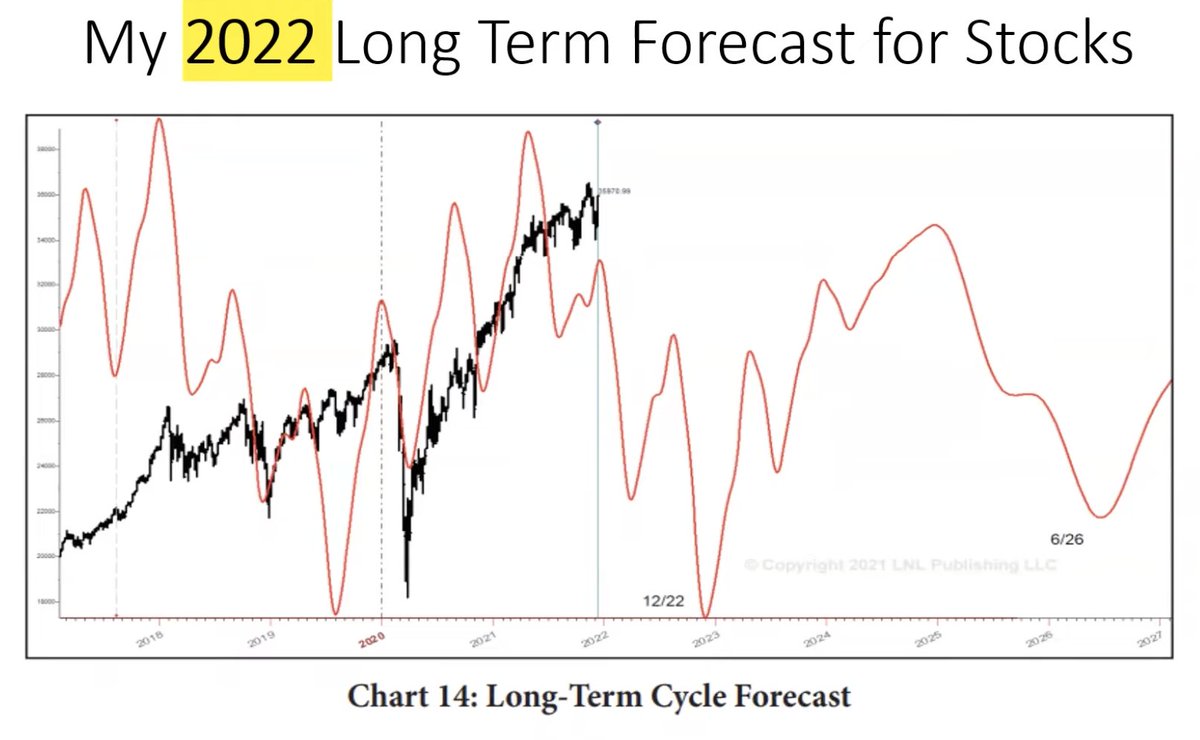
In all these years I could never understand how this [counting] approach can coexist with affirming the reality of the ever-changing cycles. Like how do you know when to trust this counting and when the cycles changed on you?
H. Humbert responds:
My understanding has been that counting is also usually rather simple and apparently (but not) naive statistics. That there's great power in simply comparing counts on a fundamental level. And yes, everything cycles, but cycles have their predictability as well so our data gathering needs to understand this. Am I wrong on this?
Peter Ringel writes:
to have a workflow for out-of-sync systems is a/the king's discipline of trading to me. Monitoring the equity curve in a naive or clever manner is probably always involved. Ever changing cycles / relations is often a function of reflexivity, IMHO. Required minimal sample size is also important here. Because of the drift, one can get away with quite a lot in equities. But laziness it is.
H. Humbert responds:
cycles have their predictability
Seems questionable as it relates to counting.
Peter Ringel replies:
cycles, as in phases/regimes, not as in 7-week cycles. Though the senator showed us many "classic" cycles too.
Larry Williams comments:
Once you count and have the numbers you may find patterns or cycles, etc.
Humbert H. asks:
But we're talking about the "ever-changing" part. How do you know when past information is no longer as predictive as it once was?
Larry Williams responds:
Great question. in my working theory of cycles all data is important for long term. for shorter term 5-10 years… but I am still a student of this stuff.